A jewelry laser welder under $10,000 can be a practical investment for repair shops, independent jewelers, and small jewelry studios.
However, not every machine in this price range offers the same value.
Some manufacturers reduce costs by using simpler configurations, fewer automation features, or limited support. Others provide surprisingly capable systems that can handle professional jewelry repair without the price of a premium industrial machine.
The best choice depends on your actual work:
Are you repairing chains and small jewelry pieces?
Do you regularly resize rings or rebuild prongs?
Do you work with platinum and stone-set jewelry?
Do you need a portable machine or a permanent bench setup?
For most jewelry repair businesses, a good under-$10,000 laser welder should provide enough control for:
Gold, silver, platinum and stainless steel repair;
Prong rebuilding;
Ring resizing;
Chain repair;
Porosity filling;
Small component welding;
Repairs close to gemstones.
The goal is not to buy the cheapest machine.
The goal is to find the machine that provides the right balance between welding capability, reliability, and long-term business value.
Best Jewelry Laser Welders Under $10,000 Compared
Model | Best For | Main Advantage | Main Trade-Off |
|---|---|---|---|
Orion Laser Welder | Beginners and small repair shops | Easy operation and strong U.S. market recognition | Limited production capability |
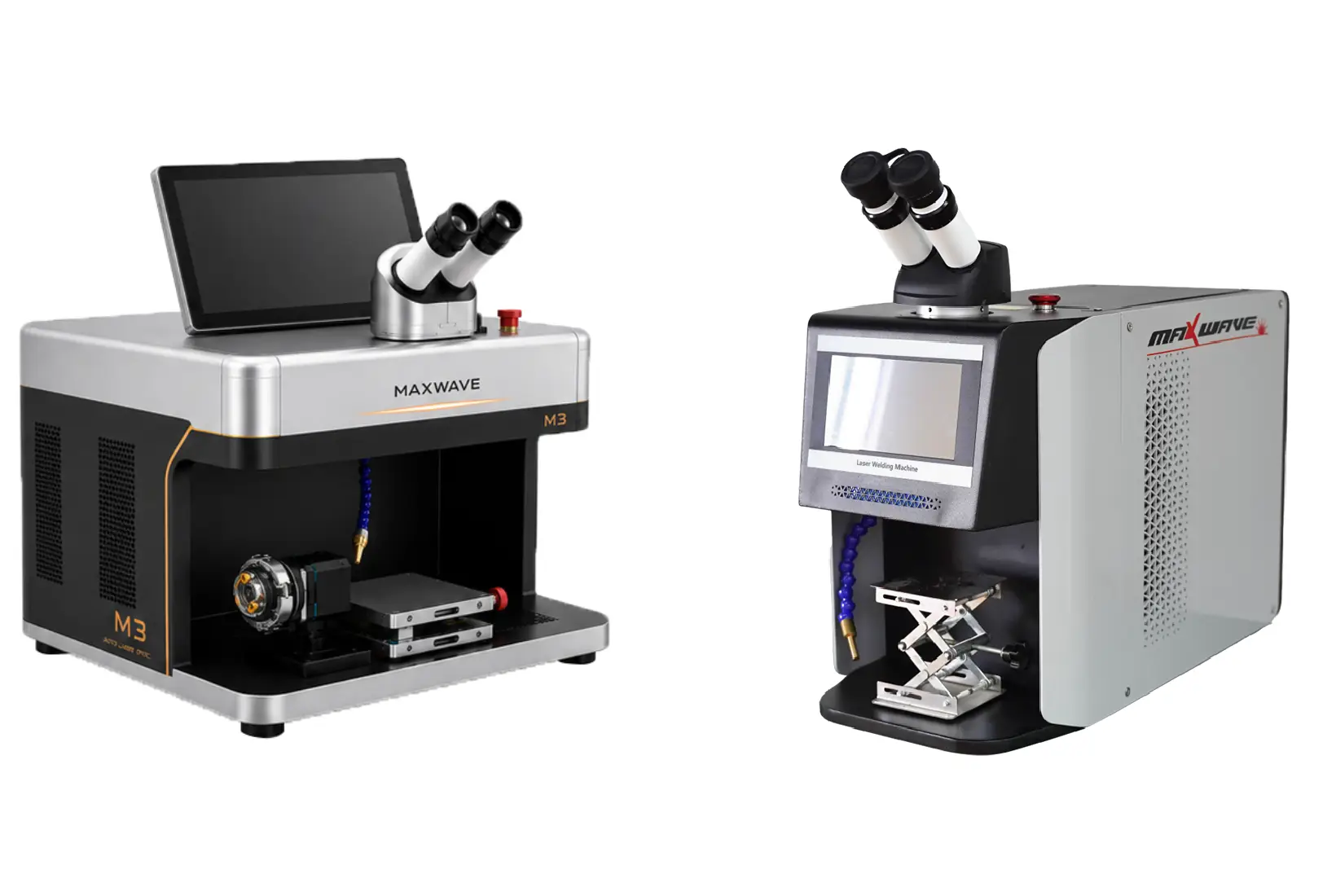
JewelryLaserNova Jewelry Laser Welder | Growing repair businesses | Professional features at a competitive price | Mainly remote support |
Gesswein PulseStar | Professional bench jewelers | Jewelry-focused workflow and reliability | Higher investment |
LaserStar iWeld | Busy repair shops | Premium quality and service support | Often above $10,000 |
Orotig | Advanced jewelry applications | High-end technology and precision | Premium pricing |
Sisma | Jewelry manufacturers | Industrial stability and production capability | More than small shops need |
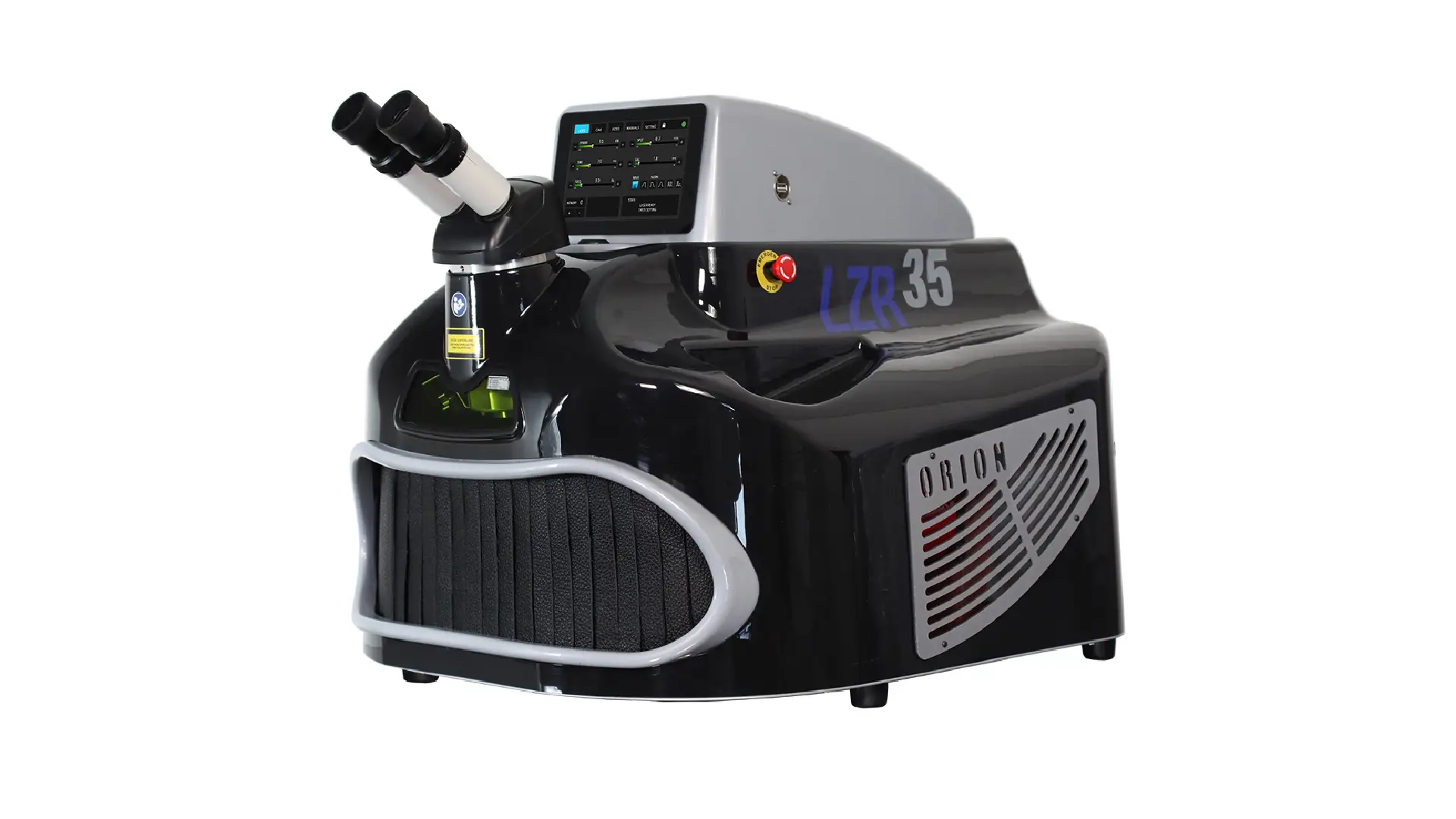
1. Orion Laser Welder
Best for: Beginners and small jewelry repair shops
Orion is one of the better-known names among independent jewelers looking for an entry-level laser welding solution.
Its systems are designed around common repair applications such as:
Chain repair;
Ring resizing;
Prong repair;
Small jewelry restoration.
The main advantage is usability. For jewelers transitioning from traditional soldering to laser welding, a simpler interface and jewelry-focused workflow can reduce the learning curve.
Strengths
Beginner-friendly operation;
Suitable for common jewelry repairs;
Recognized brand in the jewelry industry.
Trade-offs
Entry-level systems may have limitations when handling:
Heavy platinum work;
High-volume production;
Complex manufacturing applications.
For a small repair bench, these limitations may not matter. For a growing workshop, future capacity should be considered.
2. JewelryLaserNova Jewelry Laser Welder
Best for: Growing repair shops looking for professional capability under $10,000
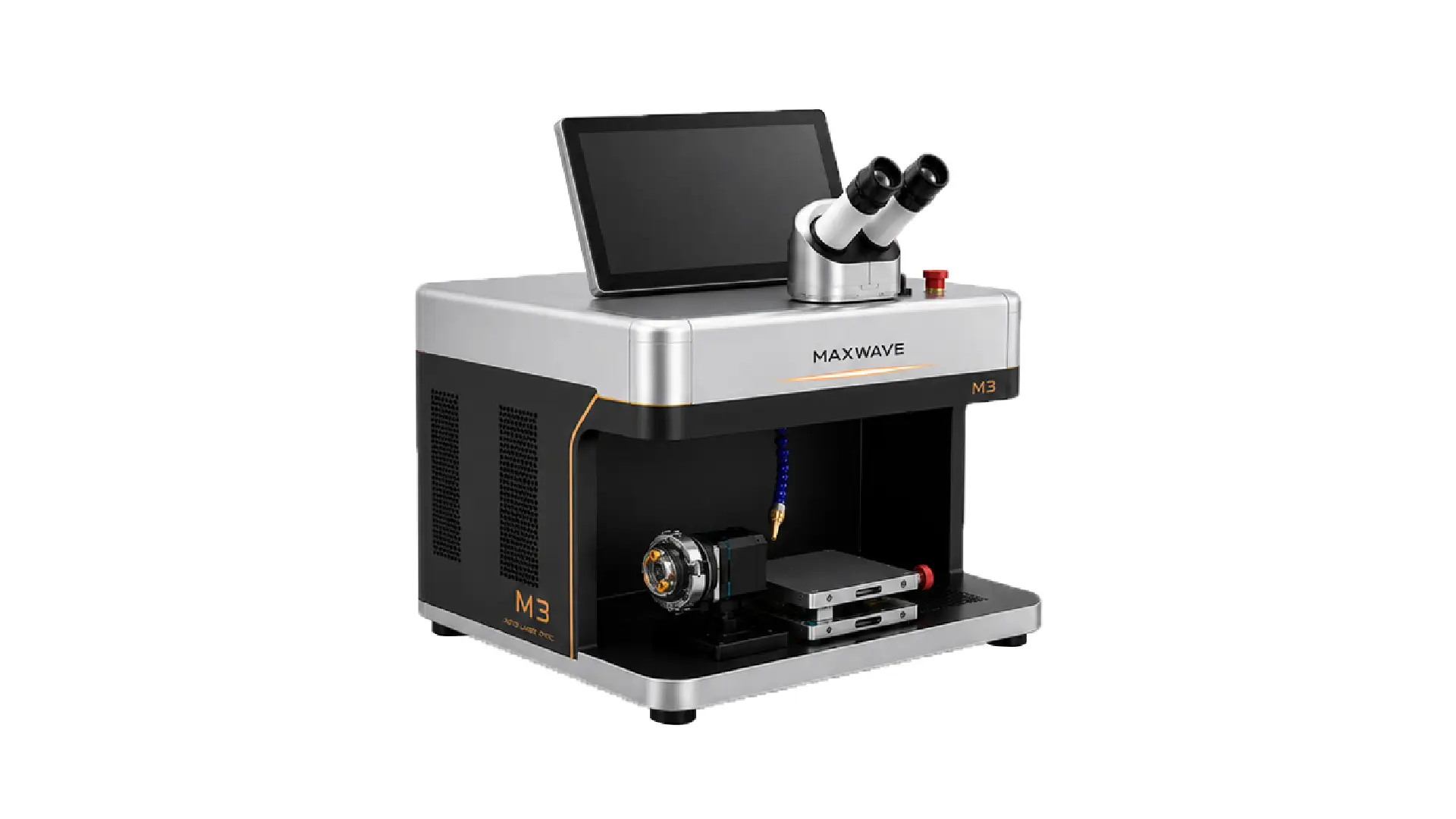
JewelryLaserNova focuses on providing professional jewelry laser welding capability at a more accessible investment level.
Its systems are designed for:
Gold;
Silver;
Platinum;
Stainless steel;
Custom jewelry assembly;
Repair applications.
Typical configurations include adjustable pulse parameters, microscope viewing, optional CCD systems, and cooling solutions suitable for daily repair work.
The machines are commonly used for:
Prong rebuilding;
Ring resizing;
Chain repair;
Porosity filling;
Fine jewelry restoration.
Strengths
Strong balance between price and capability;
Suitable for professional jewelry repair;
Lower entry cost than many premium brands;
Flexible configurations based on workload.
Trade-offs
Compared with premium local-service brands, factory-direct systems may rely more on remote support.
Before purchase, buyers should confirm:
Training method;
Warranty coverage;
Spare parts availability;
Technical response time.
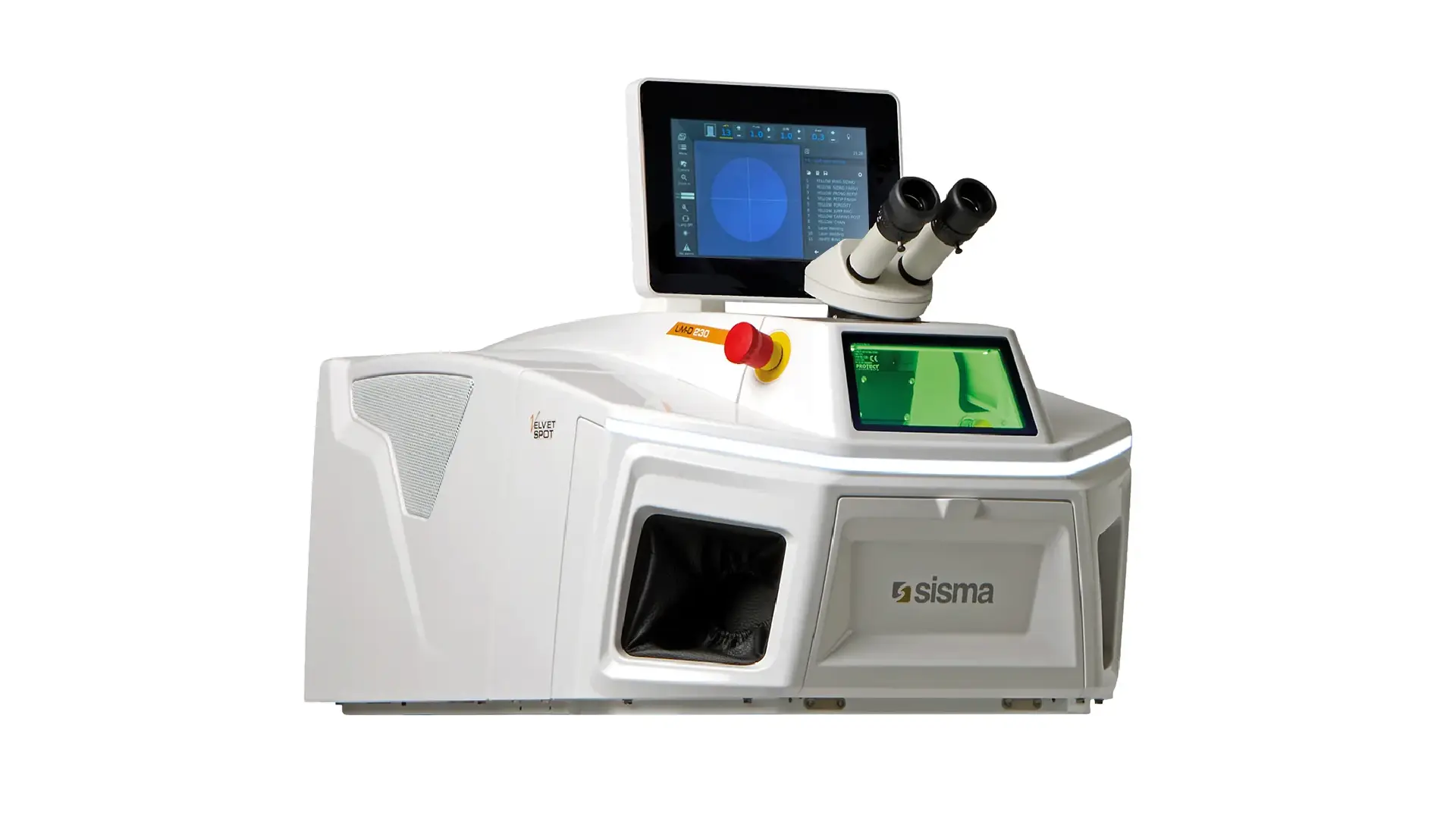
3. Gesswein PulseStar
Best for: Professional bench jewelers
Gesswein is a recognized supplier of jewelry tools and equipment, and its laser welding machines are positioned toward professional jewelry workshops.
The main advantage is that the system is designed around the workflow of bench jewelers rather than general industrial welding.
It is suitable for:
Daily jewelry repair;
Stone-set repairs;
Custom jewelry work;
Detailed bench operations.
Strengths
Jewelry-focused design;
Professional workflow;
Strong industry reputation.
Trade-offs
The price is usually closer to the upper end of the budget range.
Buyers should compare whether the additional brand support and workflow improvements justify the higher investment.
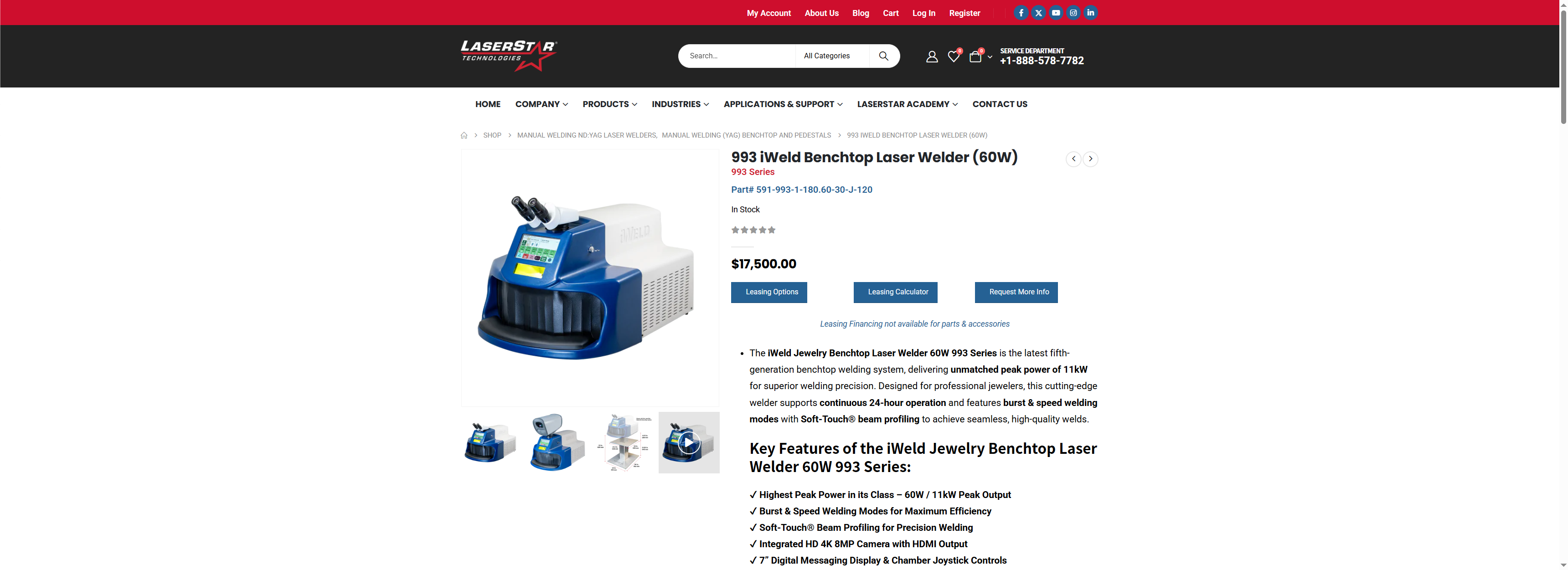
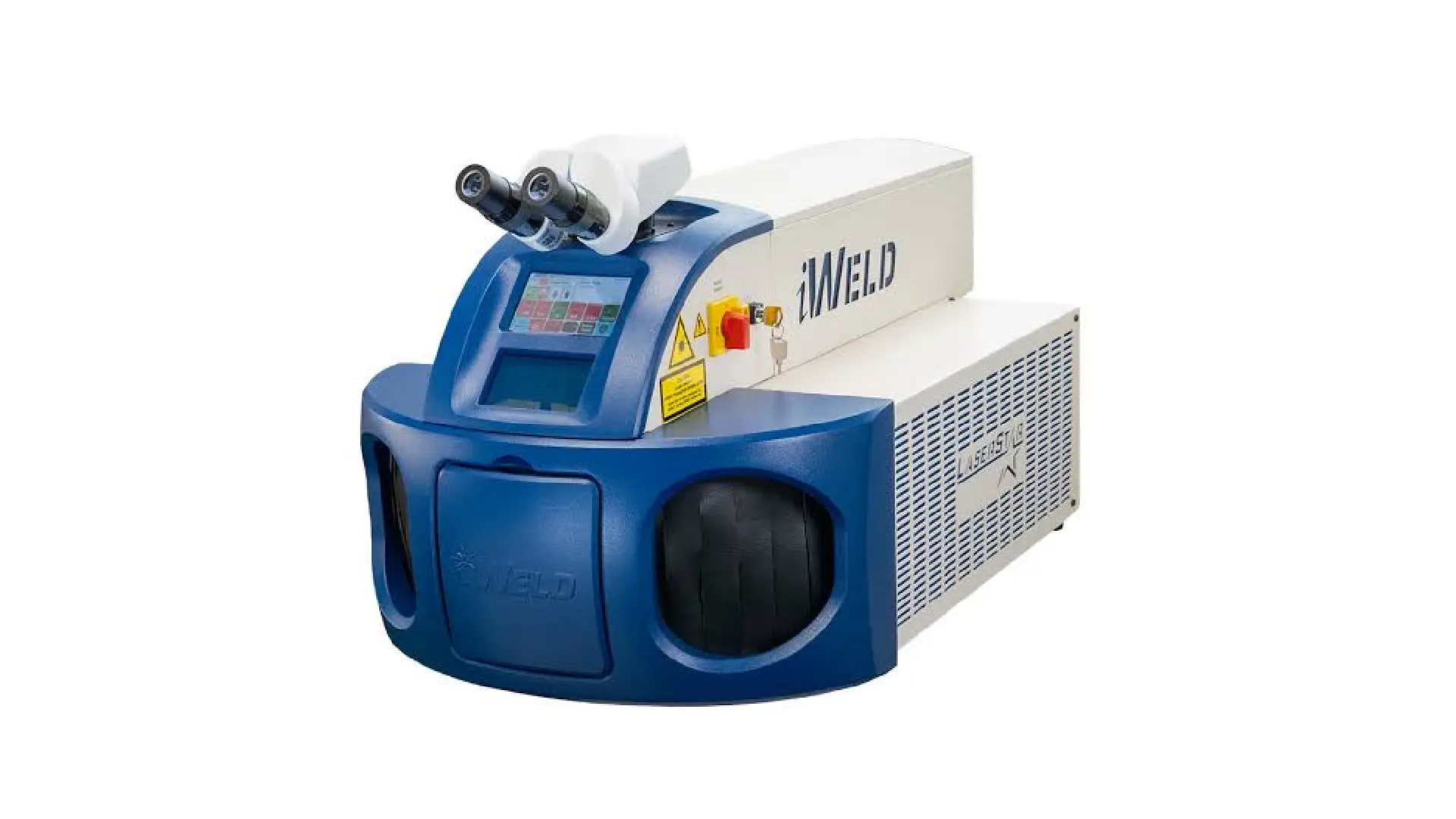
4. LaserStar iWeld
Best for: High-volume jewelry repair businesses
LaserStar is one of the better-known premium jewelry welding machine brands.
Its iWeld systems are designed for businesses that depend on laser welding every day.
Typical applications include:
Platinum repair;
Complex jewelry restoration;
High-frequency repair operations;
Production support.
Strengths
Premium build quality;
Strong service reputation;
Suitable for demanding daily use.
Trade-offs
The biggest disadvantage is price.
Many new buyers will find that LaserStar systems exceed the $10,000 budget, although used equipment or entry configurations may sometimes fall closer to this range.
For shops with consistent repair volume, however, the higher investment may be justified.
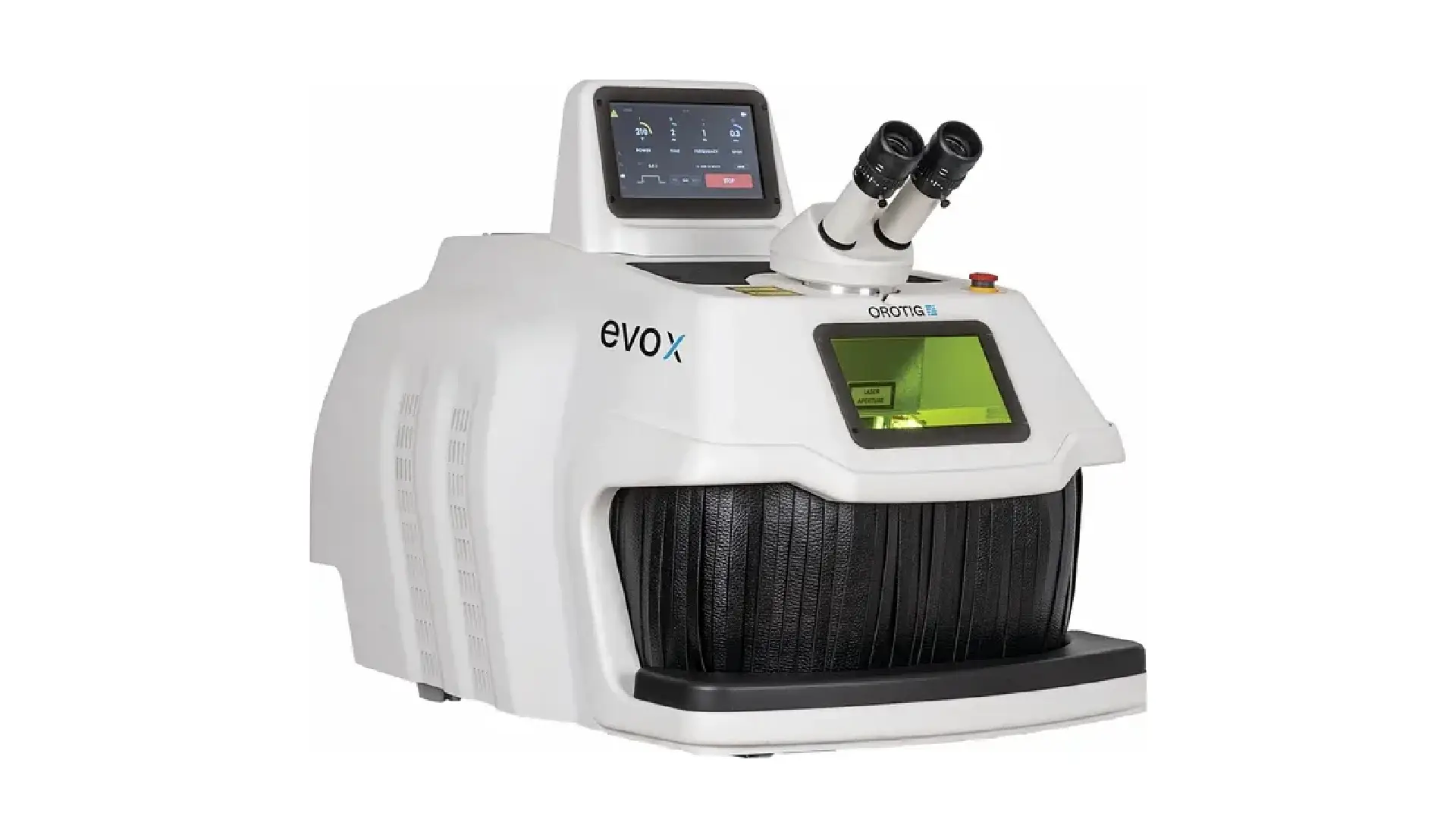
5. Orotig Jewelry Laser Welder
Best for: Advanced jewelry workshops and manufacturers
Orotig is a European manufacturer specializing in jewelry laser welding technology.
Its machines are commonly used for:
Fine jewelry production;
Complex repairs;
Precious metal assembly;
High-precision applications.
Strengths
Advanced laser technology;
Strong reputation in professional jewelry applications;
Suitable for demanding work.
Trade-offs
Orotig is positioned as a premium solution.
For a small repair shop completing occasional jobs, the additional capability may not provide enough return compared with a more affordable system.
6. Sisma Jewelry Laser Welder
Best for: Jewelry manufacturers and high-demand workshops
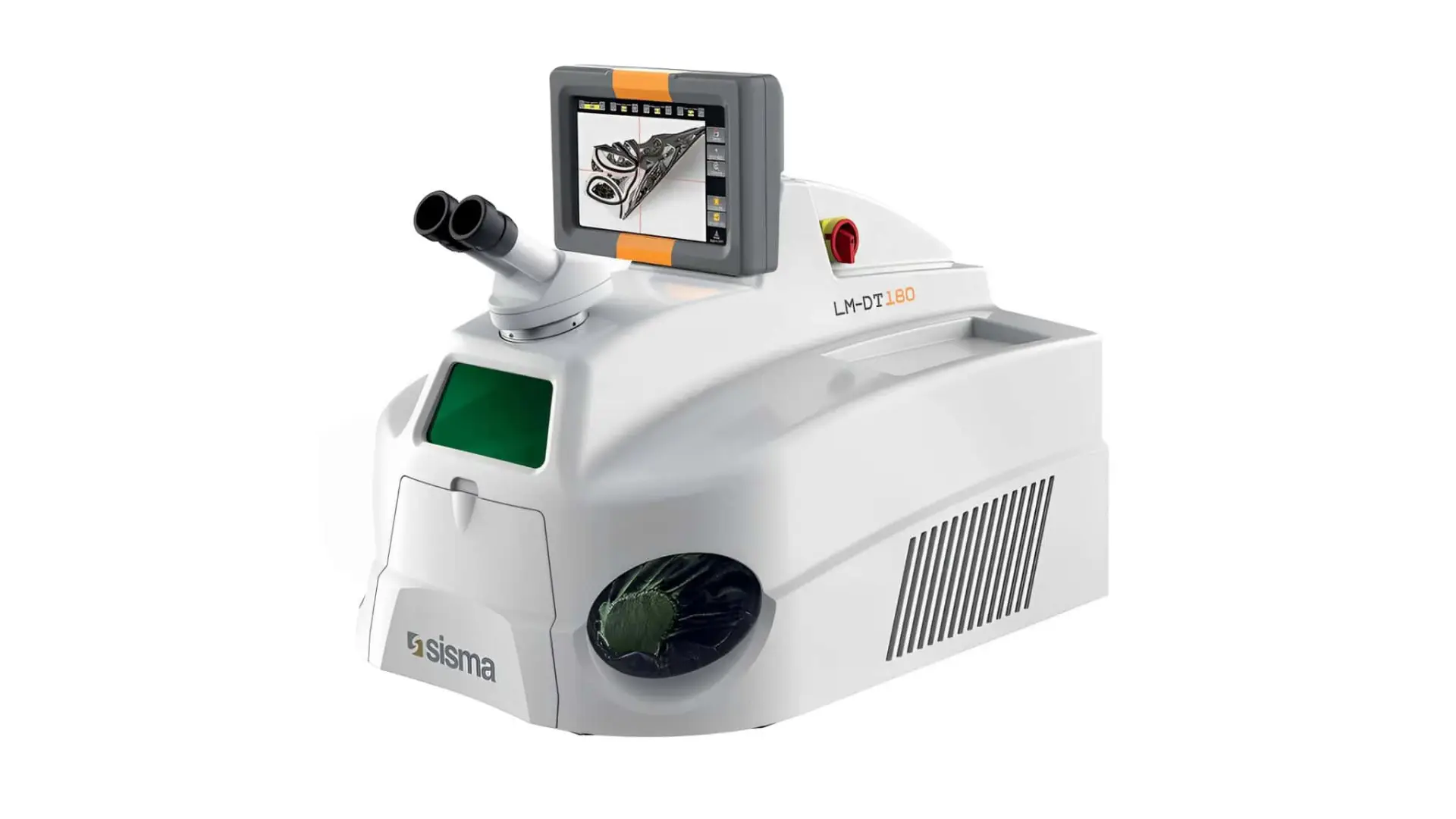
Sisma focuses more on professional and industrial jewelry production environments.
Its systems are designed for users who need:
Repeatable results;
Long operating periods;
Production stability;
Complex jewelry manufacturing.
Strengths
Industrial-level construction;
High consistency;
Suitable for demanding production environments.
Trade-offs
The equipment may be excessive for small repair shops.
Businesses mainly performing simple repairs may not use enough of the machine’s capability to justify the investment.
What Features Matter Most Under $10,000?
Price alone should not determine your decision.
A good jewelry welder for jewelry should provide the right combination of:
Pulse Control
Adjustable pulse energy, pulse width, frequency, and spot size allow the operator to switch between delicate chain repair and stronger ring or platinum welding.
More power does not automatically mean better results.
Control is often more important than maximum output.
Microscope and Viewing System
The microscope is one of the most important parts of a jewelry laser welder.
A clear viewing system helps with:
Accurate positioning;
Stone-adjacent repairs;
Small components;
Fine details.
A CCD camera system can also help with training and demonstrations.
Cooling System
Cooling affects long-term stability.
Air-cooled systems may be suitable for lighter workloads.
Water-cooled systems are generally preferred for:
Longer working sessions;
Higher energy welding;
Frequent daily repairs.
Argon Shielding
Argon helps reduce oxidation and improve weld appearance.
It is especially valuable for:
Platinum;
Titanium;
Stainless steel;
Visible repair areas.
Training and Support
A lower-priced machine can become expensive if the operator cannot use it efficiently or replacement parts are difficult to obtain.
Before buying, confirm:
Training format;
Warranty terms;
Spare parts availability;
Technical support response time.
Is a Jewelry Laser Welder Under $10,000 Worth Buying?
For many repair businesses, yes.
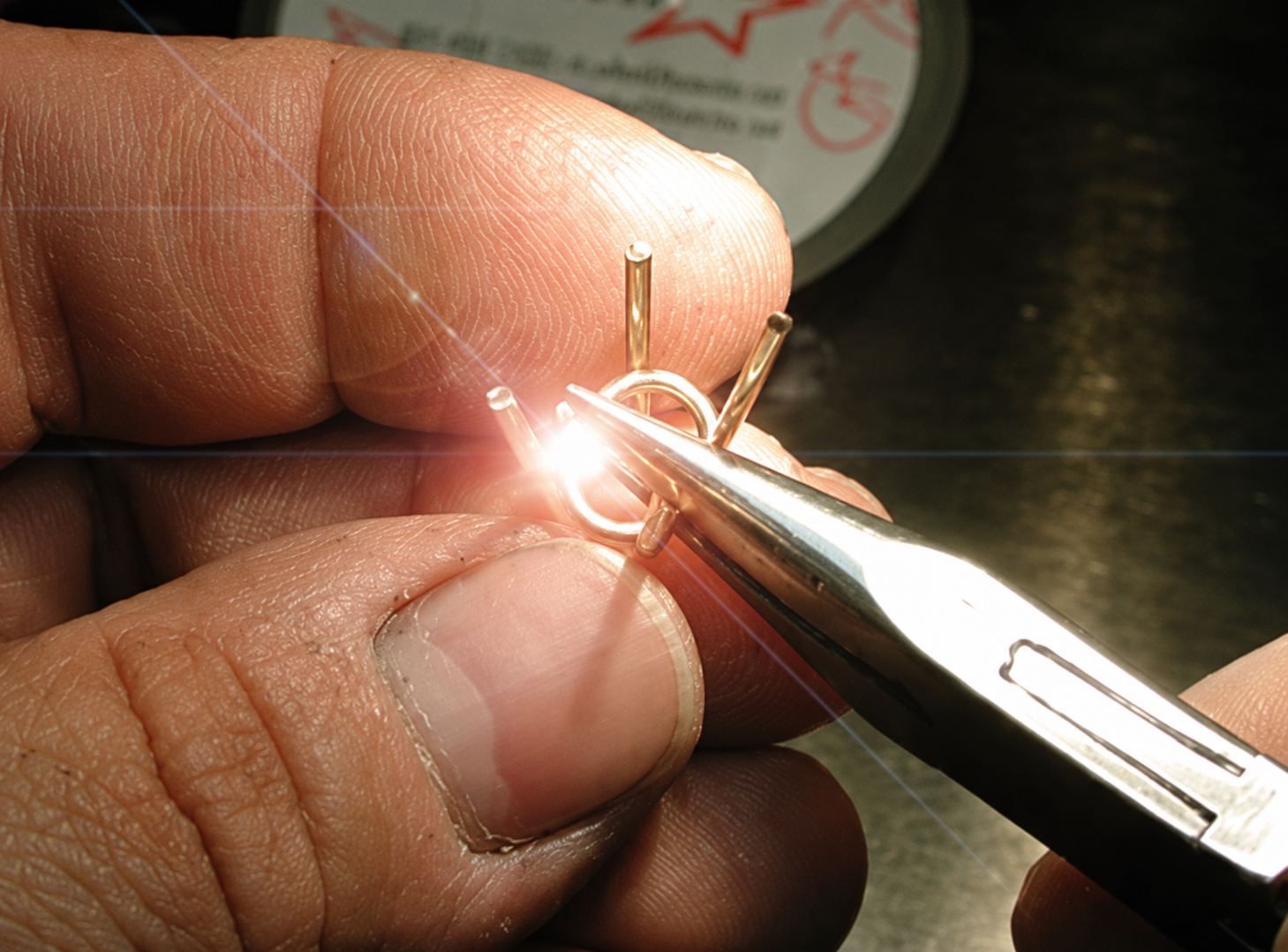
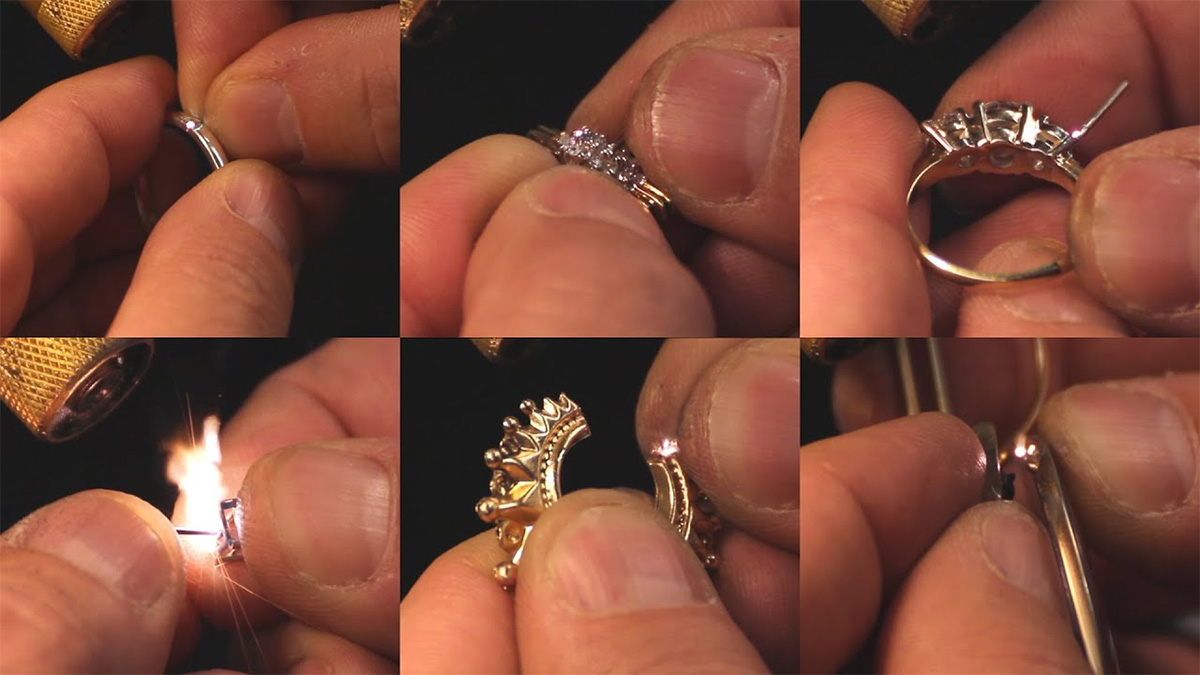
A laser welder can create value by allowing the shop to complete more difficult repairs internally instead of outsourcing them.
It is especially useful when your business regularly handles:
Stone-set jewelry;
Prong repairs;
Platinum work;
Antique jewelry;
Custom pieces;
Chain repair;
Jobs previously rejected because torch soldering was too risky.
However, not every shop needs one.
If your repair volume is low and most jobs are simple soldering tasks, the investment may take much longer to recover.
The best way to evaluate the purchase is to review your actual repair history:
How many jobs are currently outsourced?
How many repairs require removing stones?
How many jobs are rejected because of heat risk?
How much time is spent on rework?
Your repair data matters more than the machine specifications.
Final Verdict
The best jewelry laser welder under $10,000 depends on your workflow.
For beginners and small repair shops, a simple and reliable system may provide the best value.
For growing jewelry businesses, a professional 100W–200W desktop laser welder often provides the best balance between price, precision, and capability.
Premium brands such as LaserStar, Orotig, and Sisma offer stronger performance and support for high-volume professional users, but they require a larger investment.
The best jewelry laser welder is not the cheapest machine or the most powerful machine. It is the one that matches the repairs you perform every day.
Before choosing a system, send JewelryLaserNova your typical repair samples, metal types, daily workload, and the most challenging jobs you handle. The team can recommend a suitable configuration, arrange sample welding, and provide a complete quotation covering the machine, training, warranty, and spare parts.