A jewelry laser welder does not need hours of maintenance every day.
For most professional workshops, the daily routine is mainly about keeping the optics clean, checking the cooling system, making sure the gas path is clear, watching for abnormal weld behavior, and leaving the machine clean at the end of the shift.
A simple 5–10 minute routine can prevent many of the problems jewelers eventually describe as:
“Power feels weaker than before.”
“The weld suddenly needs more passes.”
“The microscope looks hazy.”
“The weld is more oxidized.”
“The machine is running hotter.”
These symptoms do not always mean a major component is failing. Very often, the first thing to check is basic maintenance.
For anyone running a professional jewelry welder every day, the goal is not to constantly take the machine apart. It is to catch small changes before they affect weld quality or turn into downtime.
A practical daily routine looks like this:
Before work → Check optics, coolant, gas and machine condition
During work → Watch weld consistency and contamination
After work → Clean the work area, protective optics and nozzle, then shut down correctly
That is enough for most daily maintenance. Deeper servicing belongs on a weekly, monthly or manufacturer-specified schedule.
1. What Should You Check Before Turning the Machine On?
The pre-start inspection should be quick and repeatable.
You are checking whether the machine is in the same condition as it was when you finished the previous day.
Check the Protective Lens and Viewing Area
The protective optical window is one of the first places to inspect.
Jewelry welding creates small amounts of spatter and metal vapor. Over time, contamination can settle on the protective glass or lens.
If the optical surface becomes dirty, you may notice reduced beam transmission, less consistent welding, or a hazy view through the microscope.
Do not wait until the lens looks severely burned.
For a laser welder for jewelry repair, clean optics are important because the entire process depends on accurately placing a small weld spot.
If the lens looks clean, leave it alone.
If you see dust, haze or spatter, clean it according to the machine manufacturer's procedure using proper lens-cleaning materials rather than ordinary paper towels or abrasive cloth.
Avoid touching optical surfaces with bare fingers.
Check the Cooling System
If your jewelry laser welder uses water cooling, check the coolant level before starting work.
The fluid should be within the manufacturer's specified range and should look clean rather than cloudy, contaminated or discolored.
Also inspect the visible hoses and fittings for leaks.
You do not need to replace coolant every day.
Daily maintenance is simply:
Level correct?
Fluid looks normal?
No leaks?
No cooling alarm?
If the machine is air-cooled, make sure the intake and exhaust areas are not blocked by dust, paper, tools or other objects.
Cooling directly affects stability during longer welding sessions, so this check becomes increasingly important in busy repair shops.
Check the Argon Nozzle and Gas Supply
Many jewelry laser welding jobs use shielding gas to reduce oxidation around the weld.
Before starting, inspect the nozzle.
Make sure it is not blocked by debris or spatter and that it can be positioned correctly near the workpiece.
Then confirm that the gas supply is connected and available.
A dirty or badly positioned nozzle may not stop the machine from firing, but it can affect weld appearance and oxidation.
That is why gas-path maintenance belongs in the daily routine rather than being treated only as a troubleshooting step.
Check the Chamber and Worktable
Remove metal scraps, filler-wire pieces, polishing dust and other debris from the welding chamber.
Small particles can interfere with positioning and eventually contaminate the work area or optics.
Also check the worktable, microscope, foot pedal and commonly used controls.
Nothing should feel loose or abnormal.
Look for Active Warnings
After power-on, watch the machine display.
If there is an active fault, cooling warning or other abnormal message, do not simply clear it and begin welding.
Investigate the cause first.
The daily pre-start check should take only a few minutes.
The objective is simple:
Start the day with a clean optical path, stable cooling, working gas flow and no obvious machine fault.
2. What Maintenance Is Needed During Welding and at the End of the Day?
Once the jewelry welding machine is running, the weld itself becomes one of your best diagnostic tools.
Experienced jewelers quickly learn what a normal weld looks and sounds like.
If that suddenly changes, stop and inspect the basic maintenance points before changing every parameter.
Watch for Changes in Weld Quality
Suppose the same gold repair normally produces a stable weld with one set of parameters, but today it suddenly needs more energy or repeated pulses.
That does not automatically mean the laser source has lost power.
Check the simple things first:
Is the protective lens dirty?
Is the focal position correct?
Is the argon nozzle blocked?
Has the workpiece changed?
Is the cooling system behaving normally?
A consistent machine should produce consistent results when the material and parameters remain the same.
Unexpected changes are often the first maintenance warning.
Remove Spatter Before It Builds Up
During a busy day of ring sizing, prong repair or chain work, inspect the protective window and gas nozzle periodically.
You do not need to stop after every repair.
But if visible contamination begins building, clean it before continuing for hours.
The original maintenance guide correctly emphasizes that haze and spatter should be addressed early rather than ignored until weld performance changes significantly.
This is particularly important for jewelry laser welding for precision repairs, where small changes in beam quality can become visible on tiny prongs, chain links and fine seams.
Keep the Work Area Clean
Filler-wire scraps and small metal particles accumulate quickly.
Remove them instead of letting the chamber become cluttered.
A clean workspace makes it easier to position jewelry and also reduces the chance of contamination reaching optical or mechanical components.
Clean the Protective Lens at the End of the Day When Needed
Do not make aggressive lens cleaning a ritual if the optic is already clean.
Unnecessary handling can create scratches.
Instead, inspect it at shutdown and clean it only when contamination is visible or when the manufacturer's routine requires it.
Use proper optical wipes and the cleaning solution recommended by the manufacturer.
Never use abrasive shop cloth, tissues or polishing compounds.
Clean the Gas Nozzle
Remove visible residue from the nozzle and make sure the opening remains clear.
The goal is to maintain consistent shielding-gas flow for the next session.
If the nozzle is damaged or deformed rather than simply dirty, replace it.
Cleaning cannot repair a worn component.
Inspect the Coolant Before Shutdown
A quick final glance at coolant condition can reveal a leak or abnormal temperature change that appeared during the day.
If the machine has been running continuously for long periods, follow the manufacturer's shutdown sequence rather than cutting power abruptly.
Different laser systems have different cooling and power-down requirements, so the manual for the actual machine should take priority over generic advice.
Record Anything Unusual
You do not need a complicated maintenance database.
A simple note is enough:
“Lens cleaned.”
“Coolant slightly low.”
“Argon nozzle replaced.”
“Power seemed unstable on platinum job.”
These notes become extremely useful if a small problem later develops into a repeated issue.
For a shop running several operators on the same jewelry laser welding machine, a basic maintenance log also prevents one technician from assuming another person already checked the machine.
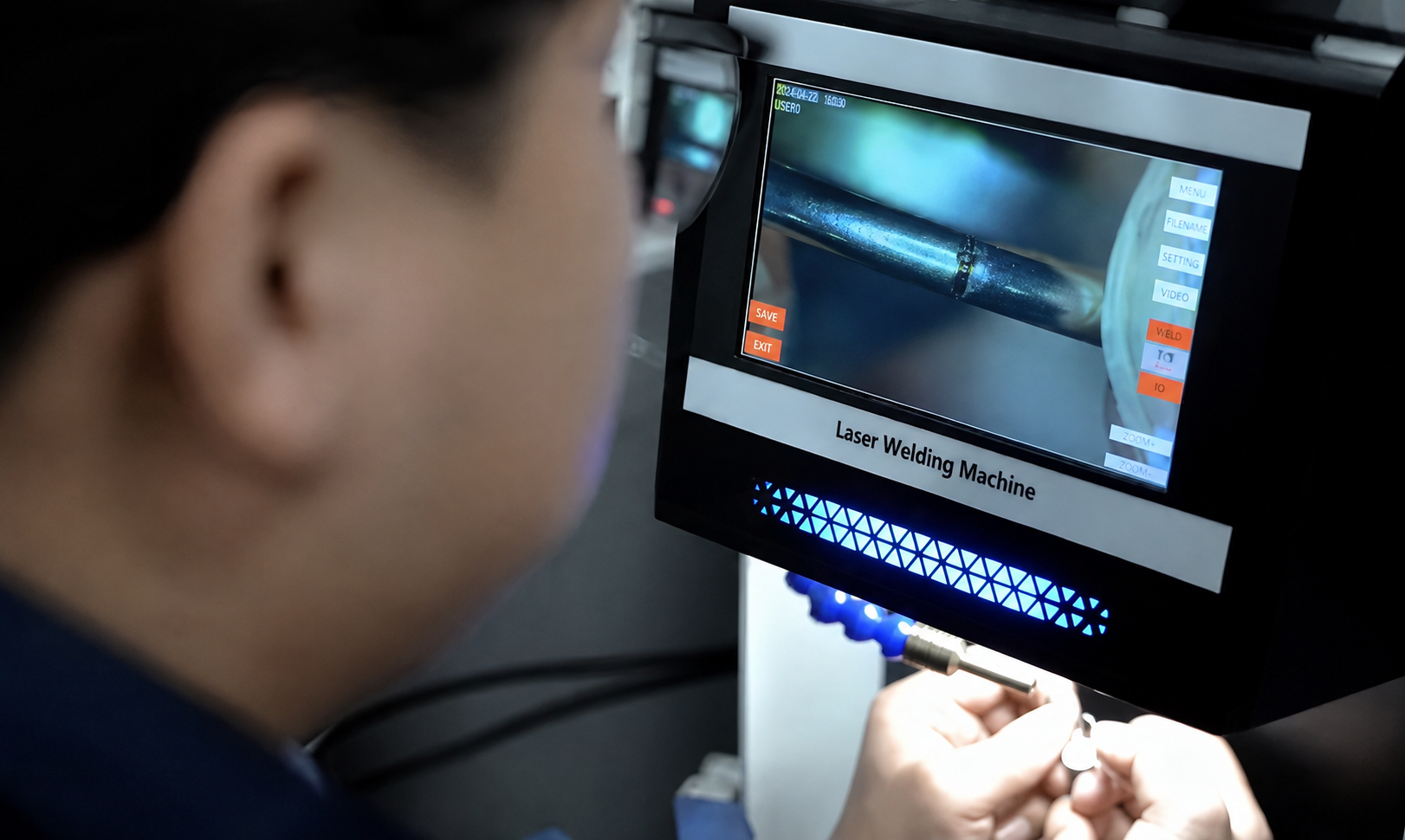
3. What Maintenance Should Not Be Done Every Day?
One reason maintenance guides become confusing is that they mix daily care with periodic servicing.
You do not need to dismantle the optical system, open the electrical cabinet or replace coolant every morning.
Daily maintenance should stay simple.
More detailed checks should happen according to operating hours, machine condition and the manufacturer's maintenance schedule.
Cooling System Service
Coolant eventually needs replacement, and filters, pumps or radiator components may need cleaning.
But the correct interval depends on machine architecture, coolant type, usage and working environment.
Do not use a universal “change every 250 hours” rule unless your manufacturer specifies it.
Daily:
Check level and condition.
Periodic:
Replace or service according to the machine manual.
Internal Optics and Alignment
The protective lens is designed to protect more expensive optics deeper inside the machine.
Operators can normally inspect and clean the accessible protective window themselves.
Internal focusing optics, beam alignment and more complex optical components should not be casually removed as part of routine daily maintenance.
If weld position changes, output becomes inconsistent or internal contamination is suspected, follow the manufacturer's troubleshooting procedure or contact technical support.
Electrical Components
Checking visible cables and connectors is reasonable.
Opening the electrical cabinet and re-tightening terminals every month is not normal daily operator maintenance unless the manufacturer specifically instructs you to do so.
Electrical servicing should be handled by qualified personnel.
Filters and Ventilation
Air filters and ventilation paths should be inspected periodically, especially in dusty workshops.
How often depends on the environment.
A jewelry workshop with polishing dust may require more frequent checks than a clean dedicated laser room.
The easiest rule is:
Daily maintenance handles contamination you can see around the normal operating area. Periodic maintenance handles internal wear and service items.
Keep the Right Spare Parts
A professional repair shop should not wait for a simple consumable failure before ordering replacements.
Depending on the machine, useful spares may include:
Protective lenses or windows.
Gas nozzles.
Filters.
Common seals or fittings.
Other manufacturer-recommended consumables.
This becomes especially important when the machine is part of the daily repair workflow.
A jewelry laser welder for a busy repair shop can lose more money from several days of downtime than from keeping a small spare-parts kit on the shelf.
A Simple Maintenance Schedule
Frequency | What to Check |
|---|---|
Before each workday | Protective lens, coolant level, gas nozzle, work chamber, visible cables, fault messages |
During operation | Weld consistency, optical haze, gas flow, unusual heat or alarms |
End of day | Clean chamber, inspect/clean protective lens as needed, clean nozzle, check coolant, record abnormalities |
Weekly / periodic | Filters, ventilation, hose condition, moving components, spare-parts inventory |
Manufacturer schedule | Coolant replacement, internal optics, calibration, deeper electrical/mechanical service |
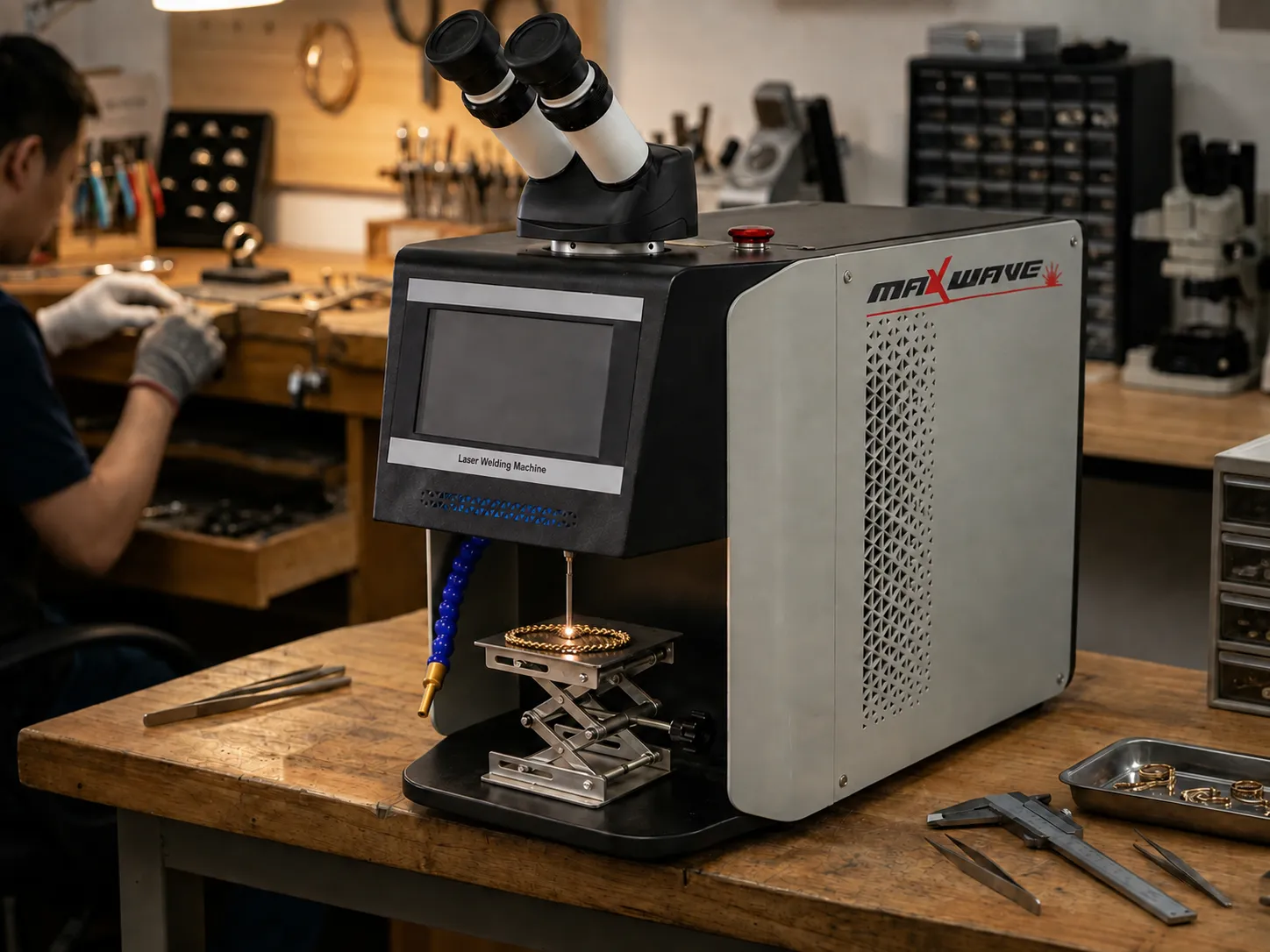
This is usually all a workshop needs to keep daily maintenance organized.
Conclusion
Daily maintenance for a jewelry laser welder should be simple.
You do not need to spend an hour servicing the machine before every shift.
Focus on the few things that directly affect welding quality and reliability:
Keep the protective optics clean. Check the cooling system. Keep the shielding-gas nozzle clear. Maintain a clean work chamber. Watch for changes in weld behavior. Record anything unusual.
Those habits take only a few minutes but can help prevent inconsistent welds, unexpected downtime and unnecessary component replacement.
The biggest mistake is waiting until the machine produces visibly poor welds before checking basic maintenance.
For a professional laser welder for jewelry workshops, preventive care is much easier than diagnosing several possible causes after a problem appears.
And remember that daily maintenance and scheduled servicing are different things.
Operators should handle routine cleaning and inspection. More complex optical, electrical and cooling-system service should follow the manufacturer's instructions.
If you are comparing jewelry laser welders, maintenance should also be part of the purchasing decision. Ask suppliers which parts need routine cleaning, which consumables should be kept in stock, how maintenance training is provided and what happens if you need technical assistance.
Send JewelryLaserNova your typical repair workload, metals and daily operating hours. The team can recommend a suitable machine configuration and explain the routine maintenance, consumables, spare parts and support requirements before you purchase.